|
|
|
|
|
Wednesday 13 December 2017
How did they do that
PCP Capital Partners has made an "official offer" for Newcastle United at around £300 million. Not bad going for a company which according to its latest accounts filed at Companies House has £10 in the bank and a net worth of £10. It is, thankfully, debt free, or was at its last balance sheet date.


Wednesday 28 September 2016
Clean sheet
Congratulations to Sam Alladyce, who will go down in history as the only England football manager with a 100% win record.
Wednesday 24 February 2016
Barmy army
I see that a number of retired heads of the military have written to Her Majesty's Telegraph to let us all know that we would be much safer in the EU, which they appear to have confused with its neighbour in north east Brussels, NATO.
Let us not forget that these gentlemen were the strategic geniuses who cut Army numbers to a level that couldn’t fill Wembley stadium, gave us a Navy with more admirals than ships and aircraft carriers with no planes, and an RAF equipped with Eurofighters apparently fuelled by Euro notes, billion dollar "off-the-shelf" inflight refuelling aircraft and barely any operational bombers - all on the world's fifth largest military budget.
I can see why they feel at home in the EU.
Let us not forget that these gentlemen were the strategic geniuses who cut Army numbers to a level that couldn’t fill Wembley stadium, gave us a Navy with more admirals than ships and aircraft carriers with no planes, and an RAF equipped with Eurofighters apparently fuelled by Euro notes, billion dollar "off-the-shelf" inflight refuelling aircraft and barely any operational bombers - all on the world's fifth largest military budget.
I can see why they feel at home in the EU.
Wednesday 15 July 2015
Glass one sixteenth empty
The BBC shows its usual political bias by telling us that unemployment is up by 15,000, but curiously has no explanation for why salaries should be rising at a fast rate.
In fact it is obvious when you look at the figures a little more deeply than the BBC could be bothered to do. For indeed the number of people in work has actually increased by 265,000, with unemployment outside London actually falling and the numbers in part-time employment falling, switching to full-time.
Unemployment increased in London, but that is where most immigrants choose to settle on arrival in this country, and with an incremental workforce of 280,000 of whom only 5% are unemployed, that sounds like a very strong economy. 5% unemployment is lower than the unemployment rate of Oxford arts graduates.
In fact it is obvious when you look at the figures a little more deeply than the BBC could be bothered to do. For indeed the number of people in work has actually increased by 265,000, with unemployment outside London actually falling and the numbers in part-time employment falling, switching to full-time.
Unemployment increased in London, but that is where most immigrants choose to settle on arrival in this country, and with an incremental workforce of 280,000 of whom only 5% are unemployed, that sounds like a very strong economy. 5% unemployment is lower than the unemployment rate of Oxford arts graduates.
Saturday 9 May 2015
Pesto thickens
Some really poor logic/inherent bias in Robert Peston's analysis of tje election on the BBC website:
There are a few reasons.(for the rapid rise in the FTSE on opening on the day after the Conservative victory)
One (no surprise here) is that Labour's threat of breaking up banks and imposing energy price caps has been lifted.
Fair enough, although that is only part of the FTSE
Second is that investors have been discounting days and weeks of wrangling after polling day over who would form the government - and so they are semi-euphoric that we already know who's in charge.
The media like the line that uncertainty depresses prices. It doesn't do that per se. The possibility of bad news will depress prices, but uncertainty should create volatility around the expected price.
Third, many investors tend to be economically conservative and instinctively Conservative.
Well it may be true that investors are politically Conservative, but no investor is going to pay a penny more for a share si,ply because their preferred political party is in power. What Peston could have said, but didn't, is the perception that The Conservatives treat business better than The Labour Party. But somehow his bias got in the way.
There are a few reasons.(for the rapid rise in the FTSE on opening on the day after the Conservative victory)
One (no surprise here) is that Labour's threat of breaking up banks and imposing energy price caps has been lifted.
Fair enough, although that is only part of the FTSE
Second is that investors have been discounting days and weeks of wrangling after polling day over who would form the government - and so they are semi-euphoric that we already know who's in charge.
The media like the line that uncertainty depresses prices. It doesn't do that per se. The possibility of bad news will depress prices, but uncertainty should create volatility around the expected price.
Third, many investors tend to be economically conservative and instinctively Conservative.
Well it may be true that investors are politically Conservative, but no investor is going to pay a penny more for a share si,ply because their preferred political party is in power. What Peston could have said, but didn't, is the perception that The Conservatives treat business better than The Labour Party. But somehow his bias got in the way.
Thursday 19 March 2015
If this is austerity ...
... God help us.
The UK National Debt is still rising at £5,170 per second. That is the amount the government borrows because it is spending more than it raises in taxes. To put that in perspective, the French borrow 2,665 euros per second, while the Gemran government manages to get by with a mere 1,556 euros on the never never. Allowing for exchange rates, our government is 4 times as profligate as the German government, who serve a larger population.
The simple fact is that the Conservative government has failed to reduce the deficit as they promised, but the idea that we are on some austerity drive is a pure fiction, mostly got up by those with a vested interest in the splurging of cash at the expense of your grandchildren, public sector workers, their unions and the Labour Party.
The truth is that we are still in the midst of the largest artificial stimulus in UK economic history, which is why employment levels are so high. Long may that last, but don't believe a word of the doom merchants warning against spending cuts. Can't happen soon enough, for all our sakes.
The UK National Debt is still rising at £5,170 per second. That is the amount the government borrows because it is spending more than it raises in taxes. To put that in perspective, the French borrow 2,665 euros per second, while the Gemran government manages to get by with a mere 1,556 euros on the never never. Allowing for exchange rates, our government is 4 times as profligate as the German government, who serve a larger population.
The simple fact is that the Conservative government has failed to reduce the deficit as they promised, but the idea that we are on some austerity drive is a pure fiction, mostly got up by those with a vested interest in the splurging of cash at the expense of your grandchildren, public sector workers, their unions and the Labour Party.
The truth is that we are still in the midst of the largest artificial stimulus in UK economic history, which is why employment levels are so high. Long may that last, but don't believe a word of the doom merchants warning against spending cuts. Can't happen soon enough, for all our sakes.
Thursday 12 March 2015
Missed opportunity
Yesterday morning the interviewer on the Today programme got a good doing over by Lord Grade, not that he was gratuitously offensive or even at all agressive. The issue was whether the PM should be obliged to appear in the television debates, and Lord Grade repeated the theme of his newspaper article, that it is up to the TV channels to propose the format of the debate and up to the politicians to decide whether they want to appear.
Lord Grade's point, as expounded in the papers, was that to threaten to empty chair the PM was a political act by the broadcasters, and it is contrary to the BBC's charter to do so. Of course many people would like to see a televised debate, but it is up to the broadcasters to propose a format and for the politicians to decide whether they want to appear. Of course the PM has the right to choose not to dignify the :eader of the Opposition with a 1-1 debate. the broadcasters may not like it, but it is not for the BBC to act politically. Lord Grade won that "debate" 8-0 despite the splutterings of the interviewer.
But then the interviewer tried to switch the discussion to Clarkson, which Lord Grade swept aside, thereby missing an open goal. If the BBC was willing to empty chair the PM, why wouldn't they empty chair Clarkson instead?
He could also have mentioned that Sue Inglish, the head of political programmes at the Corporation who is leading talks over the debates for the broadcasters, is married to John Underwood, who succeeded Peter Mandelson as the director of communications for the Labour Party.
Lord Grade's point, as expounded in the papers, was that to threaten to empty chair the PM was a political act by the broadcasters, and it is contrary to the BBC's charter to do so. Of course many people would like to see a televised debate, but it is up to the broadcasters to propose a format and for the politicians to decide whether they want to appear. Of course the PM has the right to choose not to dignify the :eader of the Opposition with a 1-1 debate. the broadcasters may not like it, but it is not for the BBC to act politically. Lord Grade won that "debate" 8-0 despite the splutterings of the interviewer.
But then the interviewer tried to switch the discussion to Clarkson, which Lord Grade swept aside, thereby missing an open goal. If the BBC was willing to empty chair the PM, why wouldn't they empty chair Clarkson instead?
He could also have mentioned that Sue Inglish, the head of political programmes at the Corporation who is leading talks over the debates for the broadcasters, is married to John Underwood, who succeeded Peter Mandelson as the director of communications for the Labour Party.
Wednesday 4 March 2015
Motes, eyes etc
I expect others receive the same number of calls from universities trying to gouge cash from their alumni. We probably get more than our fair share because with three grown daughters having fled the nest after graduating from Oxford, we get calls from their respective colleges who have not been given a forwarding address.
Well now I have a new brush off line. "The day when the Vice Chancellor of your university sacrifices so much of his pay that he is paid no more than the Prime Minister and donates the rest, is the day that I will donate to your student hardship fund."
Well now I have a new brush off line. "The day when the Vice Chancellor of your university sacrifices so much of his pay that he is paid no more than the Prime Minister and donates the rest, is the day that I will donate to your student hardship fund."
Wednesday 25 February 2015
Less than zero
You have probably never heard of Declan Costello. Elvis Costello (aka Declan McManus) maybe, but not Declan Costello. Apparently he is a pretty smart guy.
Declan Costello was born in Galway, Ireland in 1967. He has a Degree in Economics from Trinity College Dublin and a Masters Degree from the College of Europe in Bruges. He joined the European Commission in 1991 and has worked in DG ECFIN (barring a 9 month secondment to the Portuguese Ministry of Finance) as an economist up until 2012. More about him in a bit.
You may have noticed that the Greeks managed to get their budget reform proposals in by the midnight deadline. Midnight Hawaii time that was. First Eurofudge, but the EU managed to read and consider the proposals remarkably quickly before announcing that they constituted a valid starting point for discussions.
Kudos, one would think to the new Greek government, who armed with their meaningless (for these purposes) democratic mandate hadn't managed to negotiate any concessions out of the Troika, but had at least been permitted to submit their own proposals rather than taking a diktat from Brussels.
And an impressive list of reforms they are too. Not so much in the content, but in the form of the drafting, displaying a remarkably dexterous use of the English language and financial terminology. You can download a copy from here.
But if you do download it and read it in Adobe reader, be sure to click on File/Properties and look at the author.
My Aim is True.
Declan Costello was born in Galway, Ireland in 1967. He has a Degree in Economics from Trinity College Dublin and a Masters Degree from the College of Europe in Bruges. He joined the European Commission in 1991 and has worked in DG ECFIN (barring a 9 month secondment to the Portuguese Ministry of Finance) as an economist up until 2012. More about him in a bit.
You may have noticed that the Greeks managed to get their budget reform proposals in by the midnight deadline. Midnight Hawaii time that was. First Eurofudge, but the EU managed to read and consider the proposals remarkably quickly before announcing that they constituted a valid starting point for discussions.
Kudos, one would think to the new Greek government, who armed with their meaningless (for these purposes) democratic mandate hadn't managed to negotiate any concessions out of the Troika, but had at least been permitted to submit their own proposals rather than taking a diktat from Brussels.
And an impressive list of reforms they are too. Not so much in the content, but in the form of the drafting, displaying a remarkably dexterous use of the English language and financial terminology. You can download a copy from here.
But if you do download it and read it in Adobe reader, be sure to click on File/Properties and look at the author.
My Aim is True.
Thursday 12 February 2015
Dodgy donors
By criticising tax avoidance — an entirely legal activity — Ed Miliband has opened up some of his own colleagues and donors to questions about their own tax affairs.
They include donor John Mills, who gave £1.65m to Labour in shares two years ago because it was the “most tax-efficient way of doing this”. The Labour leader may also see renewed scrutiny of the arrangements set up around the Miliband family home after the death of his father.
After Mr Mills donated shares in his company JML Limited he said he had been advised to do so. “It is the most tax-efficient way of doing this because, otherwise, you get no tax relief on donations to political parties,” he said.
During his visit to a north London school Mr Miliband was questioned about the arrangement used by his own family on a townhouse in north London. After Ralph Miliband died in 1994 his assets transferred to his wife, Marion. Soon afterwards his will was changed via a so-called “deed of variation” to give 20 per cent of the family home to each of his two sons.
The property was sold in 2004 to David Miliband: there was no liability for inheritance tax because his mother was still alive. Had she died before that sale the arrangement from a decade earlier would have minimised the family’s tax liabilities. That is because each individual has a tax-free threshold on which no inheritance tax is paid, currently set at £325,000. By sharing a property between several people a family can diminish the tax owed.
“The reason people use deeds of variation is to save inheritance tax,” according to John Whiting, former head of tax at PwC. On Thursday, the Labour leader said: “I paid tax on that transaction,” when asked about the deal. But he was referring to the 40 per cent capital gains tax he paid on the profits. “It can’t be tax avoidance if no tax was avoided,” said a Labour Party spokesman.
Ah, but it was. Miliband ended up paying a different amount of tax.
Mr Miliband can also expect fresh scrutiny of the tax affairs of other Labour MPs, donors and associates. Past major donors to the party include several with “non-domicile” status in Britain, meaning that they did not pay UK income tax or capital gains tax on international earnings.
These included Lakshmi Mittal, Sir Ronald Cohen and Lord Paul. Labour has also received £20,000 last August from Vitabiotics, a vitamins company owned by a holding group based in the British Virgin Islands. Andrew Rosenfeld, who died last weekend, gave nearly £1m to the Labour party and was based in Switzerland for five years after the sale of his stake in Minerva, a property company. Mr Rosenfeld has never denied accusations that he had moved to the low-tax Alpine country for tax reasons.
The public accounts committee, chaired by Labour MP Margaret Hodge, has accused PwC of “selling tax avoidance on an industrial scale”. At the same time, the Labour Party has received more than £500,000 of “donations” in the form of consultancy advice from PwC.
They include donor John Mills, who gave £1.65m to Labour in shares two years ago because it was the “most tax-efficient way of doing this”. The Labour leader may also see renewed scrutiny of the arrangements set up around the Miliband family home after the death of his father.
After Mr Mills donated shares in his company JML Limited he said he had been advised to do so. “It is the most tax-efficient way of doing this because, otherwise, you get no tax relief on donations to political parties,” he said.
During his visit to a north London school Mr Miliband was questioned about the arrangement used by his own family on a townhouse in north London. After Ralph Miliband died in 1994 his assets transferred to his wife, Marion. Soon afterwards his will was changed via a so-called “deed of variation” to give 20 per cent of the family home to each of his two sons.
The property was sold in 2004 to David Miliband: there was no liability for inheritance tax because his mother was still alive. Had she died before that sale the arrangement from a decade earlier would have minimised the family’s tax liabilities. That is because each individual has a tax-free threshold on which no inheritance tax is paid, currently set at £325,000. By sharing a property between several people a family can diminish the tax owed.
“The reason people use deeds of variation is to save inheritance tax,” according to John Whiting, former head of tax at PwC. On Thursday, the Labour leader said: “I paid tax on that transaction,” when asked about the deal. But he was referring to the 40 per cent capital gains tax he paid on the profits. “It can’t be tax avoidance if no tax was avoided,” said a Labour Party spokesman.
Ah, but it was. Miliband ended up paying a different amount of tax.
Mr Miliband can also expect fresh scrutiny of the tax affairs of other Labour MPs, donors and associates. Past major donors to the party include several with “non-domicile” status in Britain, meaning that they did not pay UK income tax or capital gains tax on international earnings.
These included Lakshmi Mittal, Sir Ronald Cohen and Lord Paul. Labour has also received £20,000 last August from Vitabiotics, a vitamins company owned by a holding group based in the British Virgin Islands. Andrew Rosenfeld, who died last weekend, gave nearly £1m to the Labour party and was based in Switzerland for five years after the sale of his stake in Minerva, a property company. Mr Rosenfeld has never denied accusations that he had moved to the low-tax Alpine country for tax reasons.
The public accounts committee, chaired by Labour MP Margaret Hodge, has accused PwC of “selling tax avoidance on an industrial scale”. At the same time, the Labour Party has received more than £500,000 of “donations” in the form of consultancy advice from PwC.
Hedge trimming
Ed Miliband wants hedge funds to pay tax on UK shares that they trade. Well they do already. What he also wants them to do is to pay stamp duty on the positions that they take. They avoid that because of some thing called "intermediaries relief".
Intermediaries relief was introduced in the 1990s to allow investment banks to act as so-called market makers, buying and selling shares for clients, to increase the amount of liquidity, or the ease of buying and selling, in the UK stock market by reducing transaction costs.
Labour argues that this exemption has been exploited by hedge funds, which frequently opt to enter into financial contracts with banks that give them an economic exposure to shares, rather than buying the underlying shares themselves.
Because the hedge funds enter into derivatives contracts with banks, the banks' share purchases qualify for intermediaries relief whereas the hedge funds trade only in derivatives, no stamp duty is payable.
The hedge fund's position seems fair enough. they didn't buy any shares, so no changes to the sare register for their trades and therefore no stamp duty.
Intermediaries relief was introduced in the 1990s to allow investment banks to act as so-called market makers, buying and selling shares for clients, to increase the amount of liquidity, or the ease of buying and selling, in the UK stock market by reducing transaction costs.
Labour argues that this exemption has been exploited by hedge funds, which frequently opt to enter into financial contracts with banks that give them an economic exposure to shares, rather than buying the underlying shares themselves.
Because the hedge funds enter into derivatives contracts with banks, the banks' share purchases qualify for intermediaries relief whereas the hedge funds trade only in derivatives, no stamp duty is payable.
The hedge fund's position seems fair enough. they didn't buy any shares, so no changes to the sare register for their trades and therefore no stamp duty.
Couldn't hit a barn door with an elephant
Much hand-wringing at the BBC at the auction of 3 years of Premier League television rights for £5.1 billion. The dweebs at the beeb can hardly believe that anyone would pay so much for so little.
Needless to say that the thought probably hasn't crossed their minds that there wouldn't be such demand for footie on the box if Auntie didn't produce a never-ending nauseous stream of antique-cooking-celebrity chat-dance shows.
Needless to say that the thought probably hasn't crossed their minds that there wouldn't be such demand for footie on the box if Auntie didn't produce a never-ending nauseous stream of antique-cooking-celebrity chat-dance shows.
Monday 19 January 2015
So now we know ...
... that Labour were covering up failing hospitals during the last government.
Last October, Health Secretary Jeremy Hunt accused his Labour predecessor, Andy Burnham of doing just that, and Burnham whined to anyone who would listen that he was consulting lawyers. Hunt and the Conservatives did not withdraw their allegations.
Now we know, because Burnham had to declare it in the Register of Parliamentary Interests that he was provided with £16,665 worth of legal services offered by Steel & Shamash, the Labour Party’s solicitors, and £8,250 from Gavin Millar QC, a defamation specialist.
Burnham has not issued any proceedings, from which we can deduce that his very expensive advisors told him not to bother, and we can further presume that the allegations were correct.
Last October, Health Secretary Jeremy Hunt accused his Labour predecessor, Andy Burnham of doing just that, and Burnham whined to anyone who would listen that he was consulting lawyers. Hunt and the Conservatives did not withdraw their allegations.
Now we know, because Burnham had to declare it in the Register of Parliamentary Interests that he was provided with £16,665 worth of legal services offered by Steel & Shamash, the Labour Party’s solicitors, and £8,250 from Gavin Millar QC, a defamation specialist.
Burnham has not issued any proceedings, from which we can deduce that his very expensive advisors told him not to bother, and we can further presume that the allegations were correct.
Tuesday 16 December 2014
What price devolution now?
It seems only a few months ago that the SNP were telling Scots that their financial security after independence was assured because of oil revenues. In their now laughable analysis, they set out a range of incomes to the Scottish Treasury arising from direct taxation of oil profits, which they forecast would amount to anything between £31bn and £58bn in the five years to 2018. The more optimistic figure was based on higher levels of production but also on oil price levels starting at $113 a barrel rising to a price over $135,
How does that look now? Well I don't have their detailed numbers, but I do have a current oil price of $60 a barrel give or take the odd groat, the fact that Scottish oil and gas production was a little under the equivalent of 2 million barrels a day in 2010 (actually 670 million barrels equivalent in the year). The marginal corporation tax rate for North Sea oil profits is 60% (I'll ignore PRT-paying fields to be conservative) and forget the fact that production is likely to be lower if the oil price is lower.
So that means they will be short of their estimate by about 670 million * $50 /1.5 ($/£) *60% for the next 5 years, which I calculate means that of their £58bn forecast, they will lose £71bn or thereabouts. No wonder Alex Salmond switched to Westminster.
Further reading: North Sea crisis on the BBC
How does that look now? Well I don't have their detailed numbers, but I do have a current oil price of $60 a barrel give or take the odd groat, the fact that Scottish oil and gas production was a little under the equivalent of 2 million barrels a day in 2010 (actually 670 million barrels equivalent in the year). The marginal corporation tax rate for North Sea oil profits is 60% (I'll ignore PRT-paying fields to be conservative) and forget the fact that production is likely to be lower if the oil price is lower.
So that means they will be short of their estimate by about 670 million * $50 /1.5 ($/£) *60% for the next 5 years, which I calculate means that of their £58bn forecast, they will lose £71bn or thereabouts. No wonder Alex Salmond switched to Westminster.
Further reading: North Sea crisis on the BBC
Tuesday 25 November 2014
A bunch of Hunts
Every now and then, Labour give us a timely reminder of why we should never vote for them. Today's insult to the intelligence is a bit of class war waged by a man named Tristram. Mr Hunt (apparently a Dr) thinks that private schools haven't done enough to help the state sector, and thus should lose their "£700m subsidy" of business rate relief.
I always resent it when a politician pretends that refraining from taxation amounts to a subsidy, as though they have a God-given right to pillage where they see fit. Schools (public and private) are exempt from business rates, not so much because they are charities but because they are not businesses. Education has long been recognised in law as a "charitable purpose" and anything done for a charitable purpose is not a business purpose. To be equitable, business rates should not depend upon ownership, and to apply business rates to independent schools but not state schools would be highly dubious practice, particularly when the independent schools were subject to a different basis of assessment (helping out other schools) than the state schools.
The real iniquity is that this simply passing the burden and responsibility for state education on to the independent schools, or more correctly, on to those who pay their fees. They already pay income tax and other taxes, they pay their children's school fees (saving the state the cost of doing so), they may even make donations to the schools’ bursary fund and now Labour thinks they should prop up failing state schools.
Every school is different, and some independent schools will add up the cost of their bursaries, scholarships and ‘community outreach’ work, compare that to their potential business rates and say, ‘sod it’. The ensuing silence will only be broken by the slow hand claps for the class warriors of the Labour Party.
I always resent it when a politician pretends that refraining from taxation amounts to a subsidy, as though they have a God-given right to pillage where they see fit. Schools (public and private) are exempt from business rates, not so much because they are charities but because they are not businesses. Education has long been recognised in law as a "charitable purpose" and anything done for a charitable purpose is not a business purpose. To be equitable, business rates should not depend upon ownership, and to apply business rates to independent schools but not state schools would be highly dubious practice, particularly when the independent schools were subject to a different basis of assessment (helping out other schools) than the state schools.
The real iniquity is that this simply passing the burden and responsibility for state education on to the independent schools, or more correctly, on to those who pay their fees. They already pay income tax and other taxes, they pay their children's school fees (saving the state the cost of doing so), they may even make donations to the schools’ bursary fund and now Labour thinks they should prop up failing state schools.
Every school is different, and some independent schools will add up the cost of their bursaries, scholarships and ‘community outreach’ work, compare that to their potential business rates and say, ‘sod it’. The ensuing silence will only be broken by the slow hand claps for the class warriors of the Labour Party.
Saturday 22 November 2014
Some investment advice
The best investment advice I can offer today with an expected payoff overnight of somewhere between 20% and 48% (depending on your valuation, I'll come to that in a minute) is ..... the National Lottery.
Now the National Lottery is widely regarded as a tax on stupid people, who are usually not that strong at add ups and take aways, so allow me to do the maths for you.
In tonight's draw there is a double rollover jackpot prize estimated to be £10 million, 20 £1 million prizes and 50 Lotto raffle winners of £20,000, whatever that means, in addition to the normal non-jackpot prizes.
Now we know that the last draw featured a £5,905,060 which wasn't won, so the current draw adds £4,094,940 to the jackpot fund. Now the jackpot is 66.4% of the prize fund after deduction of the prize for 3 balls, which makes that prize pool equal to £6,167,078. Now we know that the total prize money, excluding the raffle prizes, is 42.47% of total sales and that there is a 1 in 56.6559273965 chance of winning a £25 prize for guessing 3 correct balls, i.e. a payoff of 22.06% leaving a jackpot poo of 20.01% of total sales, so that the total expected sales for this draw will be £6,167,078/20.01% = £30,220,413.
So the UK population is going to spend £30,220,413. What can they expect back? Well first of all there are the 20 £1 million prizes and the 50 £20,000 prizes giving a payoff of £21 million.
Then there is the the jackpot, which is nominally worth $10 million, but which is not certain to be won. With 49!/43!/6! possible choices of balls there is a 1 in 13,983,816 chance that any individual player will pick the correct 6 balls, but with 30,220,413 in sales, or 15,110,206 players there is a (13,983,815 /13,983,816) ^15,110,206 or 33.94089% chance that nobody will win, so the expected jackpot is £6,605,911.
Now the National Lottery is widely regarded as a tax on stupid people, who are usually not that strong at add ups and take aways, so allow me to do the maths for you.
In tonight's draw there is a double rollover jackpot prize estimated to be £10 million, 20 £1 million prizes and 50 Lotto raffle winners of £20,000, whatever that means, in addition to the normal non-jackpot prizes.
Now we know that the last draw featured a £5,905,060 which wasn't won, so the current draw adds £4,094,940 to the jackpot fund. Now the jackpot is 66.4% of the prize fund after deduction of the prize for 3 balls, which makes that prize pool equal to £6,167,078. Now we know that the total prize money, excluding the raffle prizes, is 42.47% of total sales and that there is a 1 in 56.6559273965 chance of winning a £25 prize for guessing 3 correct balls, i.e. a payoff of 22.06% leaving a jackpot poo of 20.01% of total sales, so that the total expected sales for this draw will be £6,167,078/20.01% = £30,220,413.
So the UK population is going to spend £30,220,413. What can they expect back? Well first of all there are the 20 £1 million prizes and the 50 £20,000 prizes giving a payoff of £21 million.
Then there is the the jackpot, which is nominally worth $10 million, but which is not certain to be won. With 49!/43!/6! possible choices of balls there is a 1 in 13,983,816 chance that any individual player will pick the correct 6 balls, but with 30,220,413 in sales, or 15,110,206 players there is a (13,983,815 /13,983,816) ^15,110,206 or 33.94089% chance that nobody will win, so the expected jackpot is £6,605,911.
Then we can add the prized for getting 3 balls correct £6,667,531 (=15,110,206/56.6559273965*£25), and the other non-jackpot prizes (1-66.4%)* £30,220,413*20.41% or £2,072,138.
That makes a grand total of £36,345,580 against an "investment" of £30,220,413.
Not bad, but it gets better depending on your perception of the value of the good causes, which receive 28% of the total sales. You may consider that these are just a blight on society, of benefit to a limited minority including the quangocrats who handle the funds, inwhich case they are worthless. Alternatively you might consider that they represent good value for money and are a public asset to which you are happy to donate.
Take the latter view and you have an average expected payoff equal to 48% of your stake money. Take the former and you still have a payoff of 20%.
Of course your chances of actually coming out ahead are fairly small (a little better than 1 in 56), but your expected winnings are such that, for once, the argument to buy a lottery ticket is overwhelming to any hyper-rational person.
Monday 13 October 2014
And another thing ....
I never got round to posting on the subject because I didn't have time to do the full research, but I think I should nail one of the biggest lies in the SNP's independence campaign.
One of the loudest grievances expressed by nationalists was the claim that whereas Scotland pays in 9.6% of the UK government's revenues, only 9.3% of UK government expenditure is spent in Scotland. The former figure assumes a split of offshore oil based taxation in proportion to the geographic split of the North Sea oil and gas fields and the latter figure comprises all spending by UK and Scottish government departments including Social Security and other welfare payments. The Scottish population is approximately 8.2% of the UK population.
And the claim is all backed up by figures and statistics, so on the face of it, it is a plausible grievance, albeit that it doesn't look right when we look at the average spending per capita in Scotland compared to that in England, Wales, Nor'n Ireland or the various English regions, where the Scottish spend is higher than everywhere else except Ulster.
So what gives? The answer - and this is the bit that I hadn't fleshed out in detail - is that while most government expenditure is attributable to Scotland or elsewhere, a fair amount is not attributable to anywhere, so the correct figure for comparing the spend in Scotland is not 9.3% of the total government spend but the Scottish spend divided by whatever percentage of the government spend is attributable to a particular area in the UK.
So what sort of government spending is not attributable to any particular area. Well, first of all there is the interest on government debt, which runs at about £45 billion a year. Then we can probably add in the cost of defence (although I admit that this is a little contentious because some areas will benefit from having defence bases nearby),but that runs at another £40 billion or so. We can also add in any foreign aid (0.7% of GDP, which I make to be approximately £10 billion), most of the cost of the Foreign Office (£1.3 billion), and then there are the payments to the EU. The Scottish government spending numbers do not include EU payments to Scots, because the Scots argue that is not UK government spending, but it follows that the gross payments that the UK makes to the EU should be excluded from the UK government expenditure attributable to areas of the UK (call that another £10 billion).
I make that £106 billion (but there may be more), compared to total government spending of just over £700 billion, which means that about 14% of government spending is not attributable to anywhere in the UK. So the correct figure for Scotland's share of attributable spending is 9.3%/86% or 10.5% give or take a few groats.
Compare that with the 8.2% of population or the claimed 9.6% of revenues, and it becomes clear that Scotland is indeed a land of welfare junkies and public sector apparatchiks..
So what? Well, it will not be long before the Scot Nats start talking about independence again, so this time the rest of the UK should be telling the Scots the basis for the split of the National Debt. The SNP want to take oil and gas revenues on a geographic rather than a per capita basis. Fair enough, but it seems only fair that we should split the National Debt on the basis that it arose. A geographic basis might seem a bit unfair, but a per capita basis would be un acceptable to the English and Welsh when proportionately more had been spent in Scotland.
How do we work that out? Simple, working with the round numbers of a few years ago we would have had £700 bn of spending and £500 bn of tax receipts, i.e. £200 bn of deficit. First we take of the £106 bn of unattributable spending (we will deal with that later), which leaves us with £594 bn of attributable spending. 9l.3% of £700 bn (£65 bn) was spent in Scotland which leaves £529 bn identifiably spent elsewhere. The Scots claim to have paid 9.6% of the £500 bn tax receipts (£48 bn), meaning that the rest of the UK raised £452 bn. This gives a Scottish deficit of £17bn (£65bn-£48bn) and a deficit for the rest of the UK of £77 bn (£529 bn - £452 bn). If this was applied to the entire National Debt, the Scots would pick up about 18%.
However this seems a bit harsh on the Scots because we haven't taken into account the unattributable expenditure. Now you could argue that the interest costs should be borne more heavily by the Scots if they are responsible for a disproportionate share of the National Debt, but we will be even handed and allocate the incremental deficit arising from the unattributed expenditure in proiportion to population [8.2:91.8], which would attribute a total of £25.8 bn to the Scots and £174.2 to the rest of the UK, which if applied to the whole of the National Debt would mean 12.9% being assumed by the Scots.
Seems fair to me.
One of the loudest grievances expressed by nationalists was the claim that whereas Scotland pays in 9.6% of the UK government's revenues, only 9.3% of UK government expenditure is spent in Scotland. The former figure assumes a split of offshore oil based taxation in proportion to the geographic split of the North Sea oil and gas fields and the latter figure comprises all spending by UK and Scottish government departments including Social Security and other welfare payments. The Scottish population is approximately 8.2% of the UK population.
And the claim is all backed up by figures and statistics, so on the face of it, it is a plausible grievance, albeit that it doesn't look right when we look at the average spending per capita in Scotland compared to that in England, Wales, Nor'n Ireland or the various English regions, where the Scottish spend is higher than everywhere else except Ulster.
So what gives? The answer - and this is the bit that I hadn't fleshed out in detail - is that while most government expenditure is attributable to Scotland or elsewhere, a fair amount is not attributable to anywhere, so the correct figure for comparing the spend in Scotland is not 9.3% of the total government spend but the Scottish spend divided by whatever percentage of the government spend is attributable to a particular area in the UK.
So what sort of government spending is not attributable to any particular area. Well, first of all there is the interest on government debt, which runs at about £45 billion a year. Then we can probably add in the cost of defence (although I admit that this is a little contentious because some areas will benefit from having defence bases nearby),but that runs at another £40 billion or so. We can also add in any foreign aid (0.7% of GDP, which I make to be approximately £10 billion), most of the cost of the Foreign Office (£1.3 billion), and then there are the payments to the EU. The Scottish government spending numbers do not include EU payments to Scots, because the Scots argue that is not UK government spending, but it follows that the gross payments that the UK makes to the EU should be excluded from the UK government expenditure attributable to areas of the UK (call that another £10 billion).
I make that £106 billion (but there may be more), compared to total government spending of just over £700 billion, which means that about 14% of government spending is not attributable to anywhere in the UK. So the correct figure for Scotland's share of attributable spending is 9.3%/86% or 10.5% give or take a few groats.
Compare that with the 8.2% of population or the claimed 9.6% of revenues, and it becomes clear that Scotland is indeed a land of welfare junkies and public sector apparatchiks..
So what? Well, it will not be long before the Scot Nats start talking about independence again, so this time the rest of the UK should be telling the Scots the basis for the split of the National Debt. The SNP want to take oil and gas revenues on a geographic rather than a per capita basis. Fair enough, but it seems only fair that we should split the National Debt on the basis that it arose. A geographic basis might seem a bit unfair, but a per capita basis would be un acceptable to the English and Welsh when proportionately more had been spent in Scotland.
How do we work that out? Simple, working with the round numbers of a few years ago we would have had £700 bn of spending and £500 bn of tax receipts, i.e. £200 bn of deficit. First we take of the £106 bn of unattributable spending (we will deal with that later), which leaves us with £594 bn of attributable spending. 9l.3% of £700 bn (£65 bn) was spent in Scotland which leaves £529 bn identifiably spent elsewhere. The Scots claim to have paid 9.6% of the £500 bn tax receipts (£48 bn), meaning that the rest of the UK raised £452 bn. This gives a Scottish deficit of £17bn (£65bn-£48bn) and a deficit for the rest of the UK of £77 bn (£529 bn - £452 bn). If this was applied to the entire National Debt, the Scots would pick up about 18%.
However this seems a bit harsh on the Scots because we haven't taken into account the unattributable expenditure. Now you could argue that the interest costs should be borne more heavily by the Scots if they are responsible for a disproportionate share of the National Debt, but we will be even handed and allocate the incremental deficit arising from the unattributed expenditure in proiportion to population [8.2:91.8], which would attribute a total of £25.8 bn to the Scots and £174.2 to the rest of the UK, which if applied to the whole of the National Debt would mean 12.9% being assumed by the Scots.
Seems fair to me.
Wednesday 24 September 2014
Do they really think we are that stupid?
Unfortunately it seems they do. They of course, being politicians, and in this case, once again, Labour politicians.
Today's idiocy is the notion that the Labour Party will "save the NHS" by spending another £2.5 billion a year on doctor's and nurses. Let's get this straight. £2.5 billion is a lot of money, well not so much in the London property market, but in the real world it can buy quite a lot. But it is less than 2% of national spending on healthcare (about £120bn in the NHS and £25bn in the private sector).
With an ageing and growing population spending on the NHS is going have to increase (or process improvements are going to have to be found) amounting to more than 2% above the rate of inflation to cope. Less than 2% over 5 years just isn't going to cut it.
Worse still, they propose to fund it, at least in part by a levy on the tobacco companies. Now I am not a smoker, and never have been, but smokers have my sympathy. The government already raises £11 in taxes on the sale of cigarettes. The biggest component of the cost is the tobacco duty, followed by the 20% VAT on the duty. The cost of the weed is but a miserable 10% of the cost of the cigarette. Tobacco revenues already far outstrip the cost of treating smokers for lung cancer, but now they are paying handsomely for the rest of us.
The tobacco companies know that their customers are hooked but they will stay in business even if they pass on the cost of the NS levy and as the price for a pack of 20 heads to £10. But it is the Labour Party who really take us for fools, or perhaps in this case take smokers as hopeless addicts.
Prevalance of smoking is much higher among those living on low wages, the unemployed and those on benefits. Essentially this is a policy tht is going to fall harder on those that Labour pretends to be helping.
Today's idiocy is the notion that the Labour Party will "save the NHS" by spending another £2.5 billion a year on doctor's and nurses. Let's get this straight. £2.5 billion is a lot of money, well not so much in the London property market, but in the real world it can buy quite a lot. But it is less than 2% of national spending on healthcare (about £120bn in the NHS and £25bn in the private sector).
With an ageing and growing population spending on the NHS is going have to increase (or process improvements are going to have to be found) amounting to more than 2% above the rate of inflation to cope. Less than 2% over 5 years just isn't going to cut it.
Worse still, they propose to fund it, at least in part by a levy on the tobacco companies. Now I am not a smoker, and never have been, but smokers have my sympathy. The government already raises £11 in taxes on the sale of cigarettes. The biggest component of the cost is the tobacco duty, followed by the 20% VAT on the duty. The cost of the weed is but a miserable 10% of the cost of the cigarette. Tobacco revenues already far outstrip the cost of treating smokers for lung cancer, but now they are paying handsomely for the rest of us.
The tobacco companies know that their customers are hooked but they will stay in business even if they pass on the cost of the NS levy and as the price for a pack of 20 heads to £10. But it is the Labour Party who really take us for fools, or perhaps in this case take smokers as hopeless addicts.
Prevalance of smoking is much higher among those living on low wages, the unemployed and those on benefits. Essentially this is a policy tht is going to fall harder on those that Labour pretends to be helping.
Crime of the Week: Every little helps
Tesco says it has overstated its half-year profits by an estimated £250m because of irregular movements in “commercial income”, the revenue that it receives from its large multinational suppliers. But how can that be? Selling (mostly) groceries should be a simple business, with simple accounting. The shopkeeper buys stock from its suppliers and pays for it on normal credit terms. The stock is then sold for cash (mostly), and the unsold stock is written off. Simple apart from that it should just be a simple matter of normal corporate items (fixed assets, borrowings, subsidiaries and other investments, minority interests, taxes, unfunded pension commitments etc, etc). Or so you would think. The issue is all in the payments that suppliers make to Tesco,apparently.
Why do suppliers pay Tesco, surely it should be the other way round?
Not so fast dear reader. Part of the brand management culture that pervades modern grocery is the price that big companies are willing to pay to get the best spot on the supermarkets' shelves. The premium price that you pay for a tin of Campbell's Soup or Heinz Baked Beans over the equivalent own brand product doesn't just cover the superior ingredients, hand crafted cooking and superior marketing. It also covers the extra cost (listing fee) of having the suppliers' products placed at eye-level, as well as other promtional activity.
Suppliers also often pay to have their products carried in Tesco’s stores, and a higher fee for the smaller Express stores that carry fewer product lines. .
OK, but that doesn't really explain any over-estimation of income. Either the fees are paid or they aren't so what gives?
The accounting problem apears to relate to additional payments called "supplier rebates”. Suppliers will pay Tesco and other supermarkets when they achieve an agreed level of sales in a year. Typically the rebates would kick in when a certain growth level is achieved in annual sales. The few percent rebate may not seem much but when the industry operates on 2-3% margins it goes a long way to explaining how Tesco could achieve high margins while growing.
But Tesco hasn't been growing
Tesco's sales volumes have actually been declining for a few years as it loses market share to Aldi, Lidl (& Poundland and Waitrose), so it will probably receive less in the way of rebates than it did last year. The trouble is that Tesco, and for all I know all the other retailers do the same, has decided that it should book some of the rebate income in its half year profits.
Accountants call this the accrual principle. I call it fantasy accounting. Essentially the finance department will ring round all the product managers and ask them to estimate full year sales, and thus guess the amount of the full year rebate. Now as far as I know nobody at Tesco gets paid bonuses on the basis of full-year sales forecasts, but with stagnant or declining sales the loss of the rebate is going to hit a product line's profitability and may cost someone a job, hence the incentive to make optimistic full year sales forecasts.
Should Tesco’s auditors (PwC) have spotted this issue?
On Monday the new Tesco Chief Executive said that the problems had occurred in its unaudited first-half results. But in the auditor’s report in Tesco’s 2014 Annual Report, PwC highlighted the recognition of commercial income as an area of focus “because of the judgment required in accounting for the commercial income deals and the risk of manipulation of these balances”. “Commercial income (promotional monies, discounts and rebates receivable from suppliers) recognised during the year is material to the income statement and amounts accrued at the end of the year are judgmental.”
So how bad is this?
Even if it is a practice that has been going on for years, if the rebate measurement period matches the accounting period, all this would do is boost the interim results because the full year sales would result in the correct amount of rebate. If the periods don't match then the £250m writedown would appear to be a correction for a persistent overestimate of rebate values.
A large amount (and certainly enough to warrant serious attention from regulators and possibly prosecutors) but in the context of £45bn of annual sales neither unexpected or unmanageable. The good news is that it seems to be as a result of a combination of bullishness and incompetence, but at least it doesn't appear to be Enron or Worldcom-style habitual fraud.
Why do suppliers pay Tesco, surely it should be the other way round?
Not so fast dear reader. Part of the brand management culture that pervades modern grocery is the price that big companies are willing to pay to get the best spot on the supermarkets' shelves. The premium price that you pay for a tin of Campbell's Soup or Heinz Baked Beans over the equivalent own brand product doesn't just cover the superior ingredients, hand crafted cooking and superior marketing. It also covers the extra cost (listing fee) of having the suppliers' products placed at eye-level, as well as other promtional activity.
Suppliers also often pay to have their products carried in Tesco’s stores, and a higher fee for the smaller Express stores that carry fewer product lines. .
OK, but that doesn't really explain any over-estimation of income. Either the fees are paid or they aren't so what gives?
The accounting problem apears to relate to additional payments called "supplier rebates”. Suppliers will pay Tesco and other supermarkets when they achieve an agreed level of sales in a year. Typically the rebates would kick in when a certain growth level is achieved in annual sales. The few percent rebate may not seem much but when the industry operates on 2-3% margins it goes a long way to explaining how Tesco could achieve high margins while growing.
But Tesco hasn't been growing
Tesco's sales volumes have actually been declining for a few years as it loses market share to Aldi, Lidl (& Poundland and Waitrose), so it will probably receive less in the way of rebates than it did last year. The trouble is that Tesco, and for all I know all the other retailers do the same, has decided that it should book some of the rebate income in its half year profits.
Accountants call this the accrual principle. I call it fantasy accounting. Essentially the finance department will ring round all the product managers and ask them to estimate full year sales, and thus guess the amount of the full year rebate. Now as far as I know nobody at Tesco gets paid bonuses on the basis of full-year sales forecasts, but with stagnant or declining sales the loss of the rebate is going to hit a product line's profitability and may cost someone a job, hence the incentive to make optimistic full year sales forecasts.
Should Tesco’s auditors (PwC) have spotted this issue?
On Monday the new Tesco Chief Executive said that the problems had occurred in its unaudited first-half results. But in the auditor’s report in Tesco’s 2014 Annual Report, PwC highlighted the recognition of commercial income as an area of focus “because of the judgment required in accounting for the commercial income deals and the risk of manipulation of these balances”. “Commercial income (promotional monies, discounts and rebates receivable from suppliers) recognised during the year is material to the income statement and amounts accrued at the end of the year are judgmental.”
So how bad is this?
Even if it is a practice that has been going on for years, if the rebate measurement period matches the accounting period, all this would do is boost the interim results because the full year sales would result in the correct amount of rebate. If the periods don't match then the £250m writedown would appear to be a correction for a persistent overestimate of rebate values.
A large amount (and certainly enough to warrant serious attention from regulators and possibly prosecutors) but in the context of £45bn of annual sales neither unexpected or unmanageable. The good news is that it seems to be as a result of a combination of bullishness and incompetence, but at least it doesn't appear to be Enron or Worldcom-style habitual fraud.
Sunday 21 September 2014
Don't hold your breath
So Ed Miliband has decided that the minimum wage should be £8 per hour. Good for him, standing up for the poor and downtrodden, who will welcome the step up from the £6.50 that they are due to get from 1 October.
Oh, but what's that? He plans to do that by 2020. I assume that means by 1 October 2020, 6 years from the next increase, which works out at an annual compound rate of 3.52%, comfortably above the 2% inflation target set by the BoE and way above the 3.01% increase between 2013 and 2014.
A whole extra 0.51% more than under the "evil Tories"®.
Oh, but what's that? He plans to do that by 2020. I assume that means by 1 October 2020, 6 years from the next increase, which works out at an annual compound rate of 3.52%, comfortably above the 2% inflation target set by the BoE and way above the 3.01% increase between 2013 and 2014.
A whole extra 0.51% more than under the "evil Tories"®.
Sunday 14 September 2014
What goes around comes around
It is funny how dishonesty can come back and bite you on the bum, but that may be about to happen to the Labour Party.
Back in the years when they were in power the socialists decided that it wold be a neat idea to raise the top rate of income tax from 40% to 50%, but as they didn't really have the courage to implement it during the lifetime of that parliament they legislated that the rise would be effective after the nxt general election. Accordingly, not a penny of tax was ever collected under the Blair and Brown governments at a rate higher than 40%.
Quite predictably, the Conservative government thought about reversing the measure but wimped out and left the rate at 45%. Now in a rational world this would have been accepted as 5% higher than the previous rate, but quite cynically Labour made a great song and dance and called it a tax cut for millionaires.
This meme was then picked up by the Scot Nats and sold to Scots as an example of the sort of inequality that pervades England and would not occur in an independent Scotland. The net result is that thousands of previously solid Labour supporters have switched to the Yes camp and may bring about independence, in which case the biggest losers will be .... the 40 Scottish Labour MPs at Westminster.
Back in the years when they were in power the socialists decided that it wold be a neat idea to raise the top rate of income tax from 40% to 50%, but as they didn't really have the courage to implement it during the lifetime of that parliament they legislated that the rise would be effective after the nxt general election. Accordingly, not a penny of tax was ever collected under the Blair and Brown governments at a rate higher than 40%.
Quite predictably, the Conservative government thought about reversing the measure but wimped out and left the rate at 45%. Now in a rational world this would have been accepted as 5% higher than the previous rate, but quite cynically Labour made a great song and dance and called it a tax cut for millionaires.
This meme was then picked up by the Scot Nats and sold to Scots as an example of the sort of inequality that pervades England and would not occur in an independent Scotland. The net result is that thousands of previously solid Labour supporters have switched to the Yes camp and may bring about independence, in which case the biggest losers will be .... the 40 Scottish Labour MPs at Westminster.
Thursday 11 September 2014
Some Scottish Fairy Tales
1. Myth: Scotland's global relationships won’t change

Fact: Scotland would be a new country. It wouldn’t inherit all the international deals the UK has struck over many years, decades, and even centuries (everything from extradition and trade treaties to the International Declaration Prohibiting the Discharge of Projectiles and Explosives from Balloons). So it would have to start from scratch, negotiating to join everything from the UN to the IOC and NATO (more on NATO later).
The UK is a well respected power that is a member of all the most powerful international bodies, G5, G7, G20, UN Security Council and by its history lies at the hub of the Commonwealth. It has a long established alliance with the United States and is respected in the Western World as one of the few countries that has consistently stood against despots and for representative democracy.
An independent Scotland would lie somewhere between Denmark and Moldova.
The UK is a well respected power that is a member of all the most powerful international bodies, G5, G7, G20, UN Security Council and by its history lies at the hub of the Commonwealth. It has a long established alliance with the United States and is respected in the Western World as one of the few countries that has consistently stood against despots and for representative democracy.
An independent Scotland would lie somewhere between Denmark and Moldova.
Source: Scotland analysis: devolution and the implications of Scottish independence, February 2013
2. Myth: Remaining North Sea oil and gas is worth £1.5 trillion - and at least £6.8 billion in Scottish tax revenues in first year of independence

Fact: The Scottish Government assumes that oil and gas can be produced at zero costs (so rigs and pipelines can be built and run for free, and oil workers don’t need to be paid), despite the remaining oil being further off-shore and deeper under the ocean, so it costs more to extract. Over the last 2 years, taxes from the North Sea have been £3 billion below the Scottish Government’s most pessimistic forecast – that’s the same as the entire Scottish education budget.
Sources: Oil and gas analytical briefing, Scottish Government, March 2013, Statistics of Government revenues from UK oil and gas production, HMRC, April 2014
3. Myth: There would be tax cuts and more spending in an independent Scotland
Fact: Scotland spent £12 billion more than it raised in taxes last year (that’s from the Scottish Government’s own figures, and includes North Sea revenues). But in fact it is worse than that. An independent Scotland would probably want to join NATO, which means it would have to spend 2% of GDP on Defence (£3 billion), and if it wants to be an international player it needs its own Foreign Office and embassies (the UK spends £1.3 billion).
Add in all the other regulators and institutions that are needed in an independent government and there would be a deficit of something approaching £20 billion. And that's before all the promised tax cuts and the spending increases (£1.6 billion on extra childcare - really?)
Compare that with North Sea corporation tax revenues which vary from £3 billion to £8 billion in a good year (and were already included in the figures that gave the £12 billion deficit), and it’s hard to see how Scotland would be able cut corporation tax and air passenger duty on one hand but still spend more on benefits and create an oil fund on the other.
Add in all the other regulators and institutions that are needed in an independent government and there would be a deficit of something approaching £20 billion. And that's before all the promised tax cuts and the spending increases (£1.6 billion on extra childcare - really?)
Compare that with North Sea corporation tax revenues which vary from £3 billion to £8 billion in a good year (and were already included in the figures that gave the £12 billion deficit), and it’s hard to see how Scotland would be able cut corporation tax and air passenger duty on one hand but still spend more on benefits and create an oil fund on the other.
Source: The Government Expenditure and Revenue Scotland 2012 - 2013(GERS), Scottish Government; March 2014
4. Myth: Scots will continue to receive BBC programmes for the cost of the license fee

Fact: Alex Salmond wants a Scottish Broadcasting Service after a yes vote in September’s referendum. Fair enough, but he also says that Scots will be able to receive BBC programmes because the BBC will enter into a partnership with the SBS. Now hang on their a moment. If the SBS is going to make programmes for Scotland, that is going to cost money, so there will be less than the full license fee available to buythe BBC services. And does Mr Salmond think for a moment that other UK viewers will want BBC programmes to be sold at a discounted price to a foreign country? Dream on.
5. Myth: Scotland will be an EU member (and inherit the same terms and conditions that the UK currently enjoys)
Fact: Not so. The EU has made it quite clear that a new nation such as Scotland would have to apply just like every other new member, and would have to be accepted by unanimous consent (just like every other member). As Scotland is already part of a member state, that might be a quicker process than it would be for other countries, but it is hard to see why newer members would consent to Scotland joining on better terms than themselves, which means that Scotland loses the benefit of the UK's opt-outs and a 10% share of the UK's EUR5.5 billion annual rebate.
Source: Scotland analysis: EU and international issues, January 2014
6. Myth: Scotland will keep the UK pound
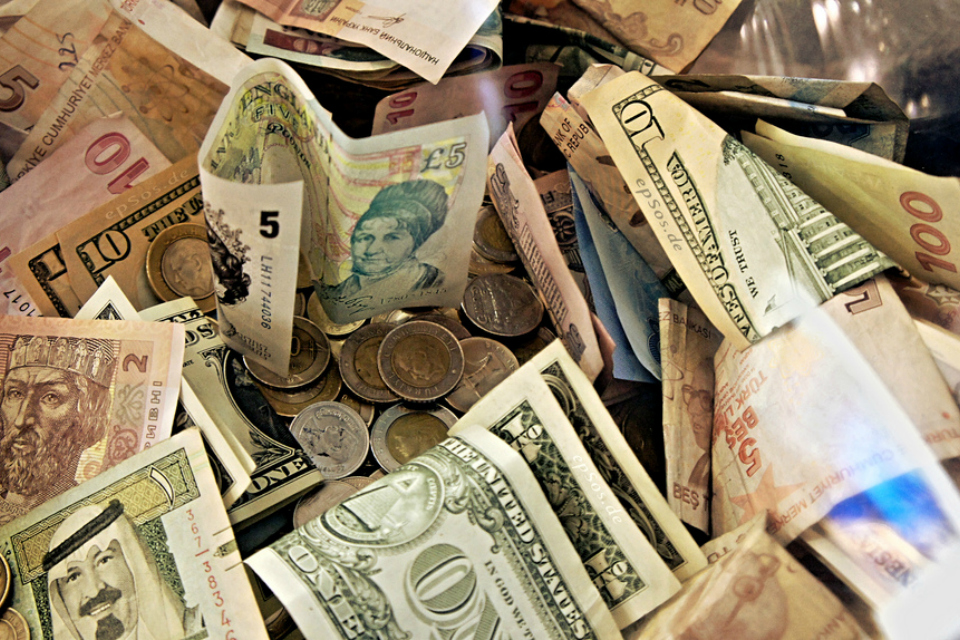
Fact: Labour, Conservatives and Lib Dems have all made clear if Scotland leaves the UK we’ll also leave the UK pound. A currency union would not work for the rest of the UK – so it will not happen. There is nothing stopping Scotland from adopting the pound as a de facto currency, but since it would have no central bank or control over its currency, it wouldn't be admitted into the EU.
Sources: Scotland analysis: currency and monetary policy, April 2013, Scotland analysis: assessment of a sterling currency union, February 2014
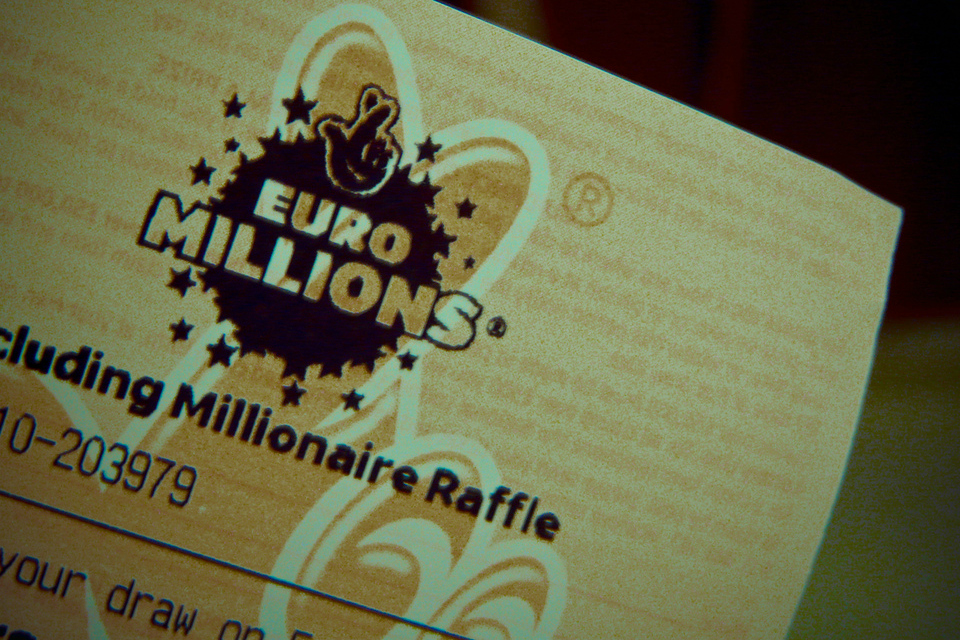
7. Myth: Scots will be able to play the National Lottery and share much-loved national institutions with the UK
Fact: Mr Salmond doesn't seem to understand. The Scottish government says that it is their "intention" that Camelot will operate in Scotland under a new licence. Fair enough, nothing to stop them doing that, but it doesn't give Scots access to the UK prize fund, nor does it give Scottish organisations access to a share in the profits of the UK National Lottery (it’s called the National Lottery – not the International Lottery). You can’t buy a ticket in France, so why would it run in an independent Scotland? The same goes for everything from the Met Office to the benefits system. Scotland will have to spend millions setting up new institutions.
Source: Scotland analysis: devolution and the implications of Scottish independence, February 2013
8. Myth: Scotland would not have to bail out its banks – international investors bailed them out before

Fact: During the last crisis the UK taxpayer paid out £66 billion in cash to buy shares in the banks – more than £1,000 for every man, woman and child in the UK. If we include guarantees, UK taxpayers put up more than £320 billion of support to Royal Bank of Scotland alone. Can Scotland afford these sorts of sums on our own? Of course not.
Source: Scotland analysis: financial services and banking, May 2013
9. Myth: The answers are in the independence white paper and it all adds up

Fact: The white paper does not answer the key questions. Many of the independence plans, for example on currency and EU membership, are in the hands of foreign governments who would be acting in the interests of their own citizens ahead of Scotland’s. And the white paper does not add up - the plans to cut taxes and extend childcare need £1.6 billion of additional funding.
Source: Unfunded commitments in “Scotland’s future” HM Treasury, December 2013
10. Myth: Westminster won’t devolve more powers
Fact: More powers were devolved in the Scotland Act 2012 (the largest devolution of tax powers in the UK’s history). As a result Scotland now sets even more of its own laws, from motorway speed limits to regulating air weapons. All three main UK parties have promised more powers will be devolved in future.
Source: Scotland Act 2012
Thursday 4 September 2014
Exceedingly Gross Domestic Products
I have never been a great fan of using GDP to measure economic activity, and as a result the media hype that revolves around a recession. The latter depends on so many extraneous factors that as an indicator of economic performance it is quite meaningless - a small variation can mean the difference between a clean bill of health and a diagnosis of decrepitude. And as I often point out, it is subject to manipulation by politicians in the style of Balls/Brown: viz, if I get you to cut my lawn for £75 billion and you pay me to wash your car for £75billion, we won't have achieved much but apart from boosting GDP by 10%. Well it's not quite that simple but you get my drift.
Now it seems that we were measuring (guessing) the wrong values. According to the EU, we should be including the turnover of charities, drug dealers, prostitutes and money spent on R&D to get a figure comparable with other European countries. Well I can see the logic of including R&D, and there are going to be some mafia dominated countries where the drugs trade and prostitution. Including the wholesale as well as the retail business makes sense, but it seems perverse to exclude the related business of people trafficking. And charities are certainly a business these days with CEOs earning big six gigure salaries they must be doing some economic activity.
Adding in all the new factors increases GDP by about £10 billion, and apparently means that the revised GDP started rising earlier than previously reported, so that the recession actually stopped in 2013.
Now it seems that we were measuring (guessing) the wrong values. According to the EU, we should be including the turnover of charities, drug dealers, prostitutes and money spent on R&D to get a figure comparable with other European countries. Well I can see the logic of including R&D, and there are going to be some mafia dominated countries where the drugs trade and prostitution. Including the wholesale as well as the retail business makes sense, but it seems perverse to exclude the related business of people trafficking. And charities are certainly a business these days with CEOs earning big six gigure salaries they must be doing some economic activity.
Adding in all the new factors increases GDP by about £10 billion, and apparently means that the revised GDP started rising earlier than previously reported, so that the recession actually stopped in 2013.
Sunday 29 June 2014
Having the Sassenach's cake and eating it
Alec Salmond thinks an independent Scotland can keep the pound within a currency union. He also thinks Scotland can grow faster by borrowing more than the rest of the UK. Leaving aside the proven inadequacies of Brownian economics, a currency union means that there is no independence of borrowing. So which is it to be, currency union or higher borrowing?
Tuesday 27 May 2014
Michael Porter and UKIP
Again, not an obvious juxtaposition, but it seems to work.
Ask any MBA or Economics student about the leading work on competitiveness and he will tell you that it is "Competitive Strategy" by Michael E. Porter, Professor of Business Administration at the Harvard Business School, the recipient of the 1979 McKinsey Foundation Award for The Best Harvard Business Review Article. Professor Porter developed the much praised MBA course on Industry and Competitive Analysis, lectures widely on competitive strategy, and is a strategic consultant to numerous companies round the world.
For the benefit of those who don't know it, Porter's ideas on competition are widely used to analyse the competitive position of companies, and evaluate their potential as credit risks or investment opportunities (or at least it was until the markets became obsessed by asset prices and volatilities, as though tat had anything to do with the real world).
Porter has applied the same framework to analysing the competitive position of countries, which no doubt has generated extra consulting income from various governments, but it strikes me that the same thinking applies to politics too, and it explains a lot about the current situation in politics.
The Porter Model is based around an analysis of 5 forces:
Supplier Power: The standard Porter business model assesses the power/threat from suppliers. In the political model we substitute this for the power of capital and tax payers - i.e. those who fund the economy and pay its taxes.
Buyer Power: The standard Porter model looks at the relative power of customers and their ability to dictate terms. In the political model we look at the demands of the population.
Competitive Rivalry: What is important here is the number and capability of your competitors. If you have many competitors, and they offer equally attractive products and services, then you'll most likely have little power in the situation, because suppliers and buyers will go elsewhere if they don't get a good deal from you. On the other hand, if you are unique, then you can often have tremendous strength. Same in business as in politics.
These 3 forces drive the competitive position of most political parties most of the time. When the government needs cash because it is spending too much and taxes are too high, then the political mood willl swing to the right. When services decline but the people think they can afford more, the parties of the left will be stronger. Who exactly gets into power will depend on how many parties there are and where they are positioned.
So far so very familiar.
Threat of New Entrants: In business the strength of a company is undermined if other companies can enter a market at will, and strong companies will have barriers to entry, such as intellectual property, high capital costs or unique strategic positioning (e.g. ports, airports, prime real estate). In politics this risk is mitigated by strong party structures, but this doesn't completely obviate the risk of a party or government being displaced by another group with similar values (but maybe a different approach). Witness Berlusconi and the Russian oligarchs who gained political power by SWOM (sheer weight of money), or the many military coups that take place in a year
Threat of Product Substitution: In business this is the risk that your product offering will be made obsolete by innovations, or perhaps just a new way of doing things. In politics, it may be the risk that a new party will simply look at the world in a different way from the traditional left-right view taken by most politicians. In many cases, the new entrant will be a single issue party that tacks on a lot of subsidiary policies to demonstrate that it is more than a one trick pony, but in essence it has a single cause that is its sole raison d'etre and which it uses as the basis for its views. Witness the Greens, various Nationalist (and ultra-nationalist) parties, and of course, UKIP. Conventional politicians don't necessarily have a response to the points made by these parties, so they try to pigeonhole them as left or right wing. They also attack them for being outside the usual political discourse (i.e. not one of us).
In fact what they should be doing is to respond to their needs in such a way as to eliminate them before they get too big, but they ain't always that smart, which is why we are where we are with UKIP.
Ask any MBA or Economics student about the leading work on competitiveness and he will tell you that it is "Competitive Strategy" by Michael E. Porter, Professor of Business Administration at the Harvard Business School, the recipient of the 1979 McKinsey Foundation Award for The Best Harvard Business Review Article. Professor Porter developed the much praised MBA course on Industry and Competitive Analysis, lectures widely on competitive strategy, and is a strategic consultant to numerous companies round the world.
For the benefit of those who don't know it, Porter's ideas on competition are widely used to analyse the competitive position of companies, and evaluate their potential as credit risks or investment opportunities (or at least it was until the markets became obsessed by asset prices and volatilities, as though tat had anything to do with the real world).
Porter has applied the same framework to analysing the competitive position of countries, which no doubt has generated extra consulting income from various governments, but it strikes me that the same thinking applies to politics too, and it explains a lot about the current situation in politics.
The Porter Model is based around an analysis of 5 forces:
Supplier Power: The standard Porter business model assesses the power/threat from suppliers. In the political model we substitute this for the power of capital and tax payers - i.e. those who fund the economy and pay its taxes.
Buyer Power: The standard Porter model looks at the relative power of customers and their ability to dictate terms. In the political model we look at the demands of the population.
Competitive Rivalry: What is important here is the number and capability of your competitors. If you have many competitors, and they offer equally attractive products and services, then you'll most likely have little power in the situation, because suppliers and buyers will go elsewhere if they don't get a good deal from you. On the other hand, if you are unique, then you can often have tremendous strength. Same in business as in politics.
These 3 forces drive the competitive position of most political parties most of the time. When the government needs cash because it is spending too much and taxes are too high, then the political mood willl swing to the right. When services decline but the people think they can afford more, the parties of the left will be stronger. Who exactly gets into power will depend on how many parties there are and where they are positioned.
So far so very familiar.
Threat of New Entrants: In business the strength of a company is undermined if other companies can enter a market at will, and strong companies will have barriers to entry, such as intellectual property, high capital costs or unique strategic positioning (e.g. ports, airports, prime real estate). In politics this risk is mitigated by strong party structures, but this doesn't completely obviate the risk of a party or government being displaced by another group with similar values (but maybe a different approach). Witness Berlusconi and the Russian oligarchs who gained political power by SWOM (sheer weight of money), or the many military coups that take place in a year
Threat of Product Substitution: In business this is the risk that your product offering will be made obsolete by innovations, or perhaps just a new way of doing things. In politics, it may be the risk that a new party will simply look at the world in a different way from the traditional left-right view taken by most politicians. In many cases, the new entrant will be a single issue party that tacks on a lot of subsidiary policies to demonstrate that it is more than a one trick pony, but in essence it has a single cause that is its sole raison d'etre and which it uses as the basis for its views. Witness the Greens, various Nationalist (and ultra-nationalist) parties, and of course, UKIP. Conventional politicians don't necessarily have a response to the points made by these parties, so they try to pigeonhole them as left or right wing. They also attack them for being outside the usual political discourse (i.e. not one of us).
In fact what they should be doing is to respond to their needs in such a way as to eliminate them before they get too big, but they ain't always that smart, which is why we are where we are with UKIP.
Sunday 18 May 2014
Dual Currency deposits and the minimum wage
Not an obvious combination, but a though provoking juxtaposition.
About a year ago, it may have been more, I wrote about a pernicious product sold by a lot of banks in the Far East called a Dual Currency Deposit, or some variation on the same. The whole idea was to induce a customer to place a deposit with an apparently high rate of interest, with the catch that the deposit could be repaid by the bank in one of a choice of currencies. The choice being the bank's.
Which wouldn't be so bad if the capital redemption was converted at the spot value prevailing at the redemption date. But oif course it wasn't. The conversion rate was fixed at the outset, and on the face of it, it might have been a reasonable forward rate. In practice the value of the eventual spot rate would be very different from the fixed rate and the bank had the option to put the cheaper currency back to the customer saving far more the customer had been paid as an interest premium.
Now, sometimes the customer could win. If the future spot rate was the same as the fixed rate in the contract, then the customer didn't lose on the redemption and got paid some extra interest. But the bank always made money, With the implied currency option against the customer, the bank could write an option with the market to close out the position and pick up an option premium which would be worth substantially more than the bank would pay the customer in extra interest.
Basically the customer got screwed because he didn't understand the risk or the value of the currency embedded in the deposit contract. And yet when pushed on the points, they repeatedly said that their customers were indifferent as to whether they were repaid in currency A or currency B. And often the customers could be persuaded to say the same. Which kind of missed the point. The customer could have withdrawn his deposit and converted it into the other currency if the urge took him at the end of the contract. The issue was never the currency but the value of money that would be repaid.
So what has that got to due with the National Minimum Wage? On the face of it not very much, until we realise the role of the NMW's first cousin, the Zero Hours Contract. For years we were told by its advocates that an NMW wouldn't have an effect on employment, whilst its opponents said that it would be devastating for unemployment/ In came the NMW and apparently employment levels didn't change, and even as the minimum wage increased we were told that there was no impact on levels of employment.
But what we did see was an increase in the number of zero hours contrctas. What is a zero hours contract? A zero-hour contract is a contract of employment used in the United Kingdom which contains provisions which create an "on call" arrangement between employer and employee. The employer asserts that they have no obligation to provide work for the employee. The employee agrees to be available for work as and when required, so that no particular number of hours or times of work are specified. The employee is expected to be on call and receives compensation only for hours worked
Sounds great for the employer, because he gets a free option over when to call on workers. All businesses have peak periods so the employer only needs to pay for workers when they are busy. We really like this way of working because it gives us flexibility. And the employees like it too because it is flexible for them too. Or at least that is what some of them are wheeled out to say to the cameras.
Where have we heard this all before. Ah yes the dual currency deposit. The employee thinks that he is getting a "flexible" deal, when in practice the option is being exercised on him, and only when it suits the business. Arguably the higher minimum wage means the worker is being paid a premium (at least over the previous rate) and like the bank in the DCD above, the employer is willing to pay this premium because the employee doesn't understand the value of the option he/she is giving the employer through the ZHC.
Moral: there is nothing wrong with ZHCs that couldn't be fixed by some serious option pricing.
About a year ago, it may have been more, I wrote about a pernicious product sold by a lot of banks in the Far East called a Dual Currency Deposit, or some variation on the same. The whole idea was to induce a customer to place a deposit with an apparently high rate of interest, with the catch that the deposit could be repaid by the bank in one of a choice of currencies. The choice being the bank's.
Which wouldn't be so bad if the capital redemption was converted at the spot value prevailing at the redemption date. But oif course it wasn't. The conversion rate was fixed at the outset, and on the face of it, it might have been a reasonable forward rate. In practice the value of the eventual spot rate would be very different from the fixed rate and the bank had the option to put the cheaper currency back to the customer saving far more the customer had been paid as an interest premium.
Now, sometimes the customer could win. If the future spot rate was the same as the fixed rate in the contract, then the customer didn't lose on the redemption and got paid some extra interest. But the bank always made money, With the implied currency option against the customer, the bank could write an option with the market to close out the position and pick up an option premium which would be worth substantially more than the bank would pay the customer in extra interest.
Basically the customer got screwed because he didn't understand the risk or the value of the currency embedded in the deposit contract. And yet when pushed on the points, they repeatedly said that their customers were indifferent as to whether they were repaid in currency A or currency B. And often the customers could be persuaded to say the same. Which kind of missed the point. The customer could have withdrawn his deposit and converted it into the other currency if the urge took him at the end of the contract. The issue was never the currency but the value of money that would be repaid.
So what has that got to due with the National Minimum Wage? On the face of it not very much, until we realise the role of the NMW's first cousin, the Zero Hours Contract. For years we were told by its advocates that an NMW wouldn't have an effect on employment, whilst its opponents said that it would be devastating for unemployment/ In came the NMW and apparently employment levels didn't change, and even as the minimum wage increased we were told that there was no impact on levels of employment.
But what we did see was an increase in the number of zero hours contrctas. What is a zero hours contract? A zero-hour contract is a contract of employment used in the United Kingdom which contains provisions which create an "on call" arrangement between employer and employee. The employer asserts that they have no obligation to provide work for the employee. The employee agrees to be available for work as and when required, so that no particular number of hours or times of work are specified. The employee is expected to be on call and receives compensation only for hours worked
Sounds great for the employer, because he gets a free option over when to call on workers. All businesses have peak periods so the employer only needs to pay for workers when they are busy. We really like this way of working because it gives us flexibility. And the employees like it too because it is flexible for them too. Or at least that is what some of them are wheeled out to say to the cameras.
Where have we heard this all before. Ah yes the dual currency deposit. The employee thinks that he is getting a "flexible" deal, when in practice the option is being exercised on him, and only when it suits the business. Arguably the higher minimum wage means the worker is being paid a premium (at least over the previous rate) and like the bank in the DCD above, the employer is willing to pay this premium because the employee doesn't understand the value of the option he/she is giving the employer through the ZHC.
Moral: there is nothing wrong with ZHCs that couldn't be fixed by some serious option pricing.
Friday 25 April 2014
Pull the other one
RBS reports a pre-tax loss for 2013 of £8,243 million, including regulatory and redress provisions of £3,844 million, and impairments and other losses of £4,823 million related to the establishment of RBS Capital Resolution (RCR).
And yet the directors still thought they needed to get an exemption to pay bonuses of more than 100% of salary. Dream on....
And what happens to the share price when this bonus package, which the directors said was fundamental to their business, is not allowed.
Up slightly, by 0.28%. Seems they could use a new set of directors.
And yet the directors still thought they needed to get an exemption to pay bonuses of more than 100% of salary. Dream on....
And what happens to the share price when this bonus package, which the directors said was fundamental to their business, is not allowed.
Up slightly, by 0.28%. Seems they could use a new set of directors.
Tuesday 25 March 2014
Can we have our money back please, Mr Hall?
The BBC likes to say that they would lose a lot of money if non-payment of the licence fee was decriminalised. Perhaps, but if they are that sensitive, perhaps they would like to consider repaying some of the money the government pays them to broadcast to the dead. Here is the BBC position on refunds:
See that? Nothing to repay for the dead Over 75s, because it is issued "free of charge". Actually not so. It may be free to the user, but it costs the government (i.e. tax payers) £550 million to pay for the licenses of the over 75s. With an average life expectancy of 5 years, that implies a 20% chance of dying in any given year or 10% of the license going unused.
That is a £55 million annual windfall to the BBC in unrefunded license fees.
What to do if the licence holder dies
If a TV Licence is still needed at the address
Customer Services
TV Licensing
Darlington
DL98 1TL
If the licence is a Free Over 75 TV Licence
If the TV Licence needs to be cancelled
If the licence is a Free Over 75 TV Licence
That is a £55 million annual windfall to the BBC in unrefunded license fees.
Monday 24 March 2014
Solving two problems for the price of one #4
| A funding crisis and increased demand for care means general practice as patients know it in the UK is "under severe threat of extinction", the head of the Royal College of GPs has warned. The royal college's president, Dr Maureen Baker, said failing to properly fund GP surgeries could have an impact on the sustainability of the NHS. Some practices were already closing due to lack of staff, she said. The Department of Health said it recognised the "vital" job GPs do. |
Fraud is costing the NHS £5bn a year, with a further £2bn lost to errors, the former head of its anti-fraud section says. The amount lost to fraud alone could pay for nearly 250,000 new nurses, a report seen by Panorama suggests. The NHS must "get on with tackling the problem", said Jim Gee, co-author of the Portsmouth University study and ex-director of NHS Counter Fraud Services. The Department of Health said it "did not recognise" the figures. |
Friday 21 March 2014
Solving 2 problems for the price of one #3
We seem to be spending a lot of time and effort banning lots of Russian bureaucrats fromtravelling to the EU and the US and making orders to freeze assets that they don't hold here and over which we have no control.
The Russians, on the other hand, have stopped reciprocating because they can see that the whole exercise is more trouble than it is worth.
Which is a shame, and a danger to the West, because it allows the Russians to bear a grudge. It is a boil that needs to be lanced, by a pointless act of vindictive retribution. Hopefully one that can set the Russians in a good light and show them as a nation that we can work with.
I suggest a Russian ban on travel by Tony Blair and Gordon Brown, and a freezing of their assets. I might even start a campaign on Facebook.
The Russians, on the other hand, have stopped reciprocating because they can see that the whole exercise is more trouble than it is worth.
Which is a shame, and a danger to the West, because it allows the Russians to bear a grudge. It is a boil that needs to be lanced, by a pointless act of vindictive retribution. Hopefully one that can set the Russians in a good light and show them as a nation that we can work with.
I suggest a Russian ban on travel by Tony Blair and Gordon Brown, and a freezing of their assets. I might even start a campaign on Facebook.
Subscribe to:
Posts (Atom)